
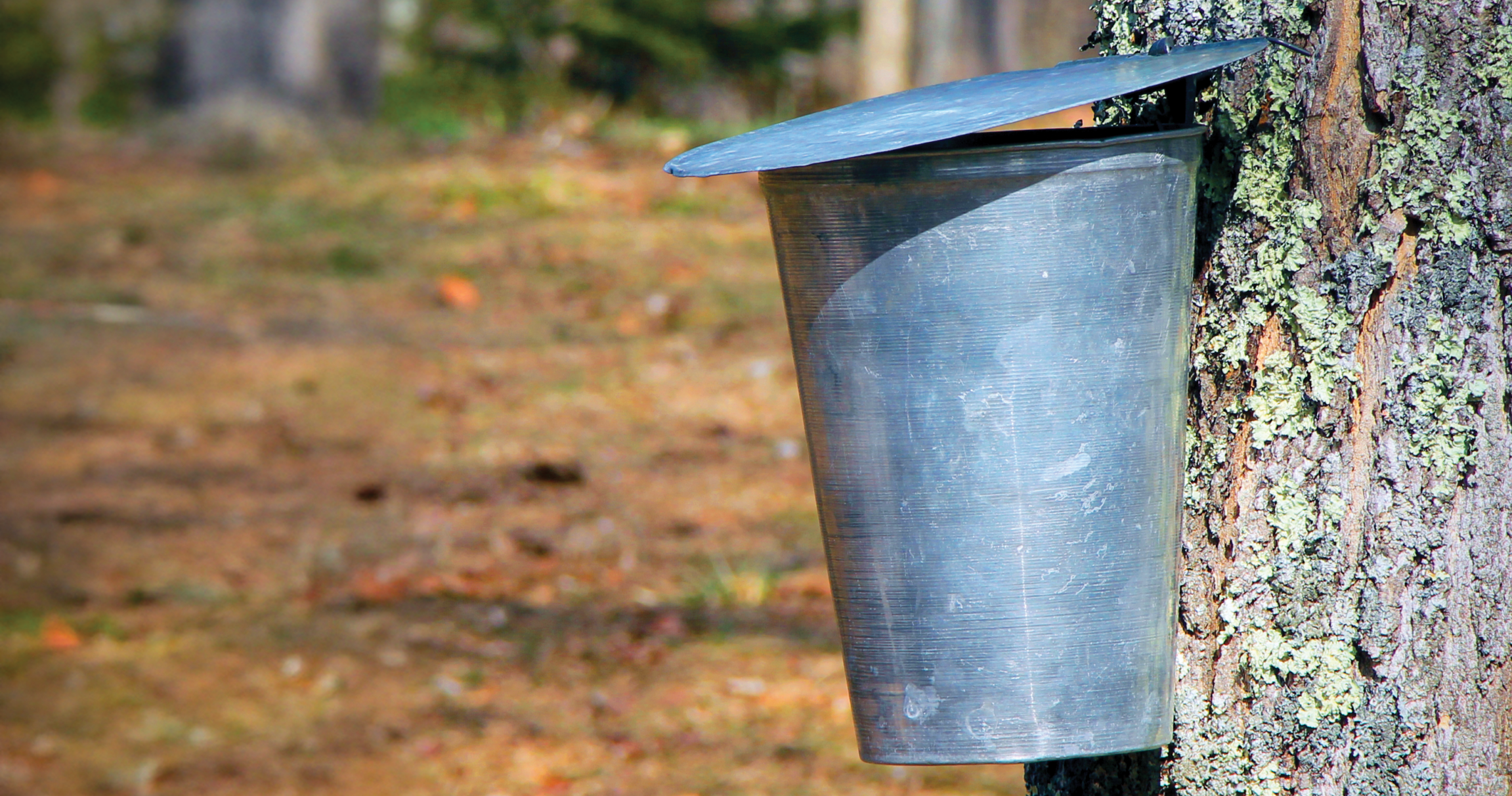
Maple syrup production is the oldest agricultural enterprise in the United States, a process dating back to the earliest Native Americans. It’s not only the first farm crop of the year but an integral part of the state’s agricultural heritage. Maple sugaring contributes millions of dollars to the state’s economy, from agriculture to tourism. Michigan produces an average of 136,000 gallons of syrup per year, maintaining its status as fifth in the nation for maple syrup production.
Collecting Liquid Gold
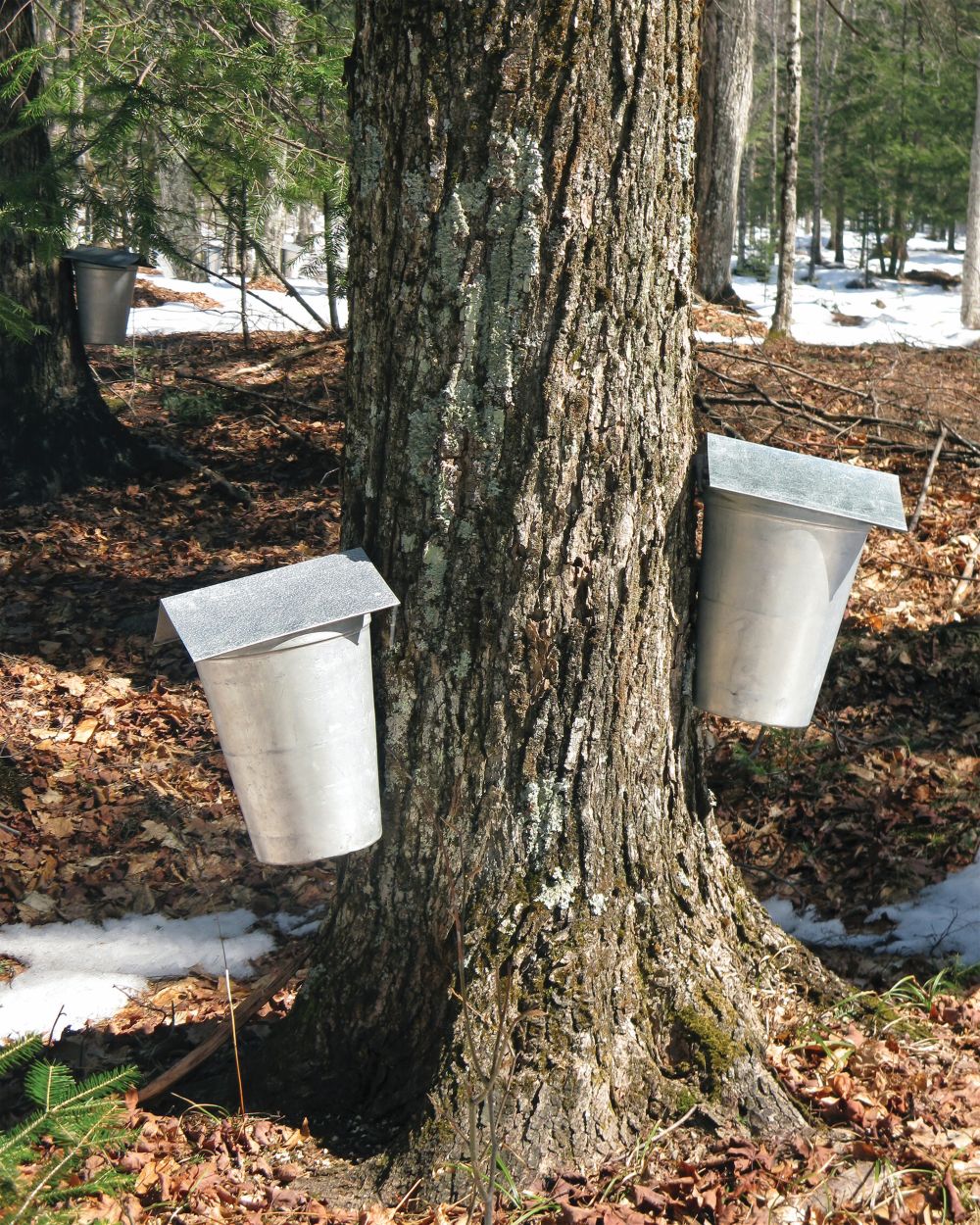
The state’s forests are rich with sugar maple trees, providing the perfect environment for this age-old practice. As spring days grow longer, more sunshine brings warmer temperatures, and sugar maple trees begin to release their sap. With a natural sugar content of about 2%, sugar maples are the star of Michigan’s syrup season.
Sugaring season is short but sweet, typically lasting just four to six weeks. In southern Michigan, producers may begin tapping trees as early as February, while the season can stretch well into April in the Upper Peninsula. Timing matters, and no two seasons are exactly alike.
When the Weather Gets It Just Right
Maple syrup depends on Michigan weather doing what it does best—changing its mind.
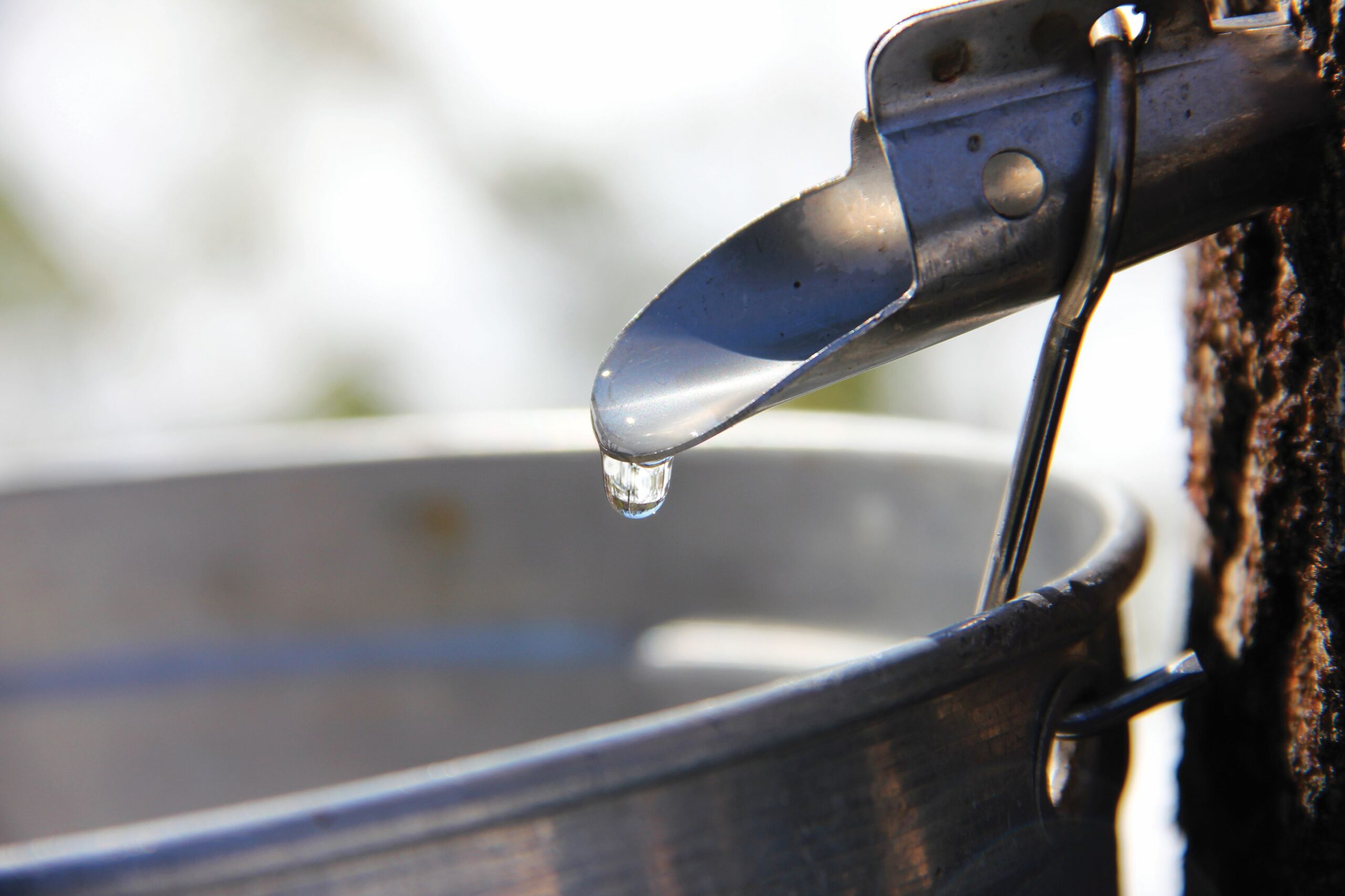
Alternating warm days and freezing nights create pressure inside the tree, encouraging sap to flow. Each freeze-thaw cycle can trigger a steady drip for eight to 15 hours, continuing as long as the temperature pattern lasts.
But the window is narrow. Once buds begin to form on the trees, sap production stops and the flavor changes, signaling the end of the season. For producers, it becomes a race against the calendar and the forecast.
From Sap to Syrup
Producing maple syrup blends generations-old tradition with modern efficiency. Michigan is home to an estimated 500 commercial producers, along with roughly 2,000 hobbyists and backyard sugar makers who tap trees for personal use.
The process begins with a small hole drilled into a sugar maple and a tap, also called a spile, inserted into the trunk. Clear, watery sap is collected in buckets or tubing systems and transported to a sugarhouse for processing. It takes about 40 gallons of sap to make just one gallon of syrup. In an average season, each tap yields roughly 10 gallons of sap, enough for a single quart of syrup.
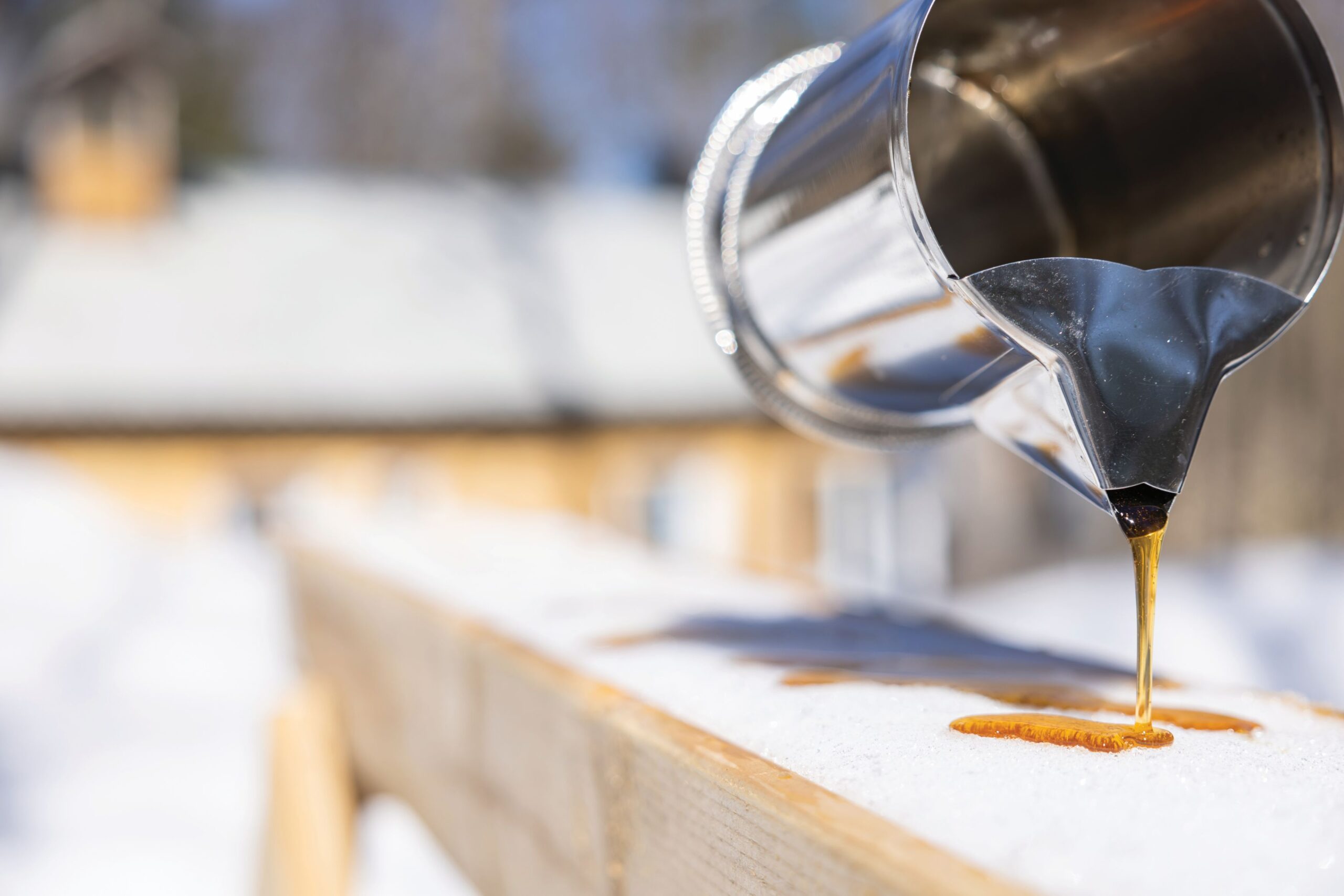
That sap, which is about 98% water, becomes syrup when it is boiled-down at 219 degrees Fahrenheit. This evaporation removes excess water, leaving behind the thick, golden sweetness Michigan families know well.
Many modern sugarhouses use advanced tools such as reverse osmosis machines and high-efficiency evaporators to speed up the process. Others stick with wood-fired boilers and traditional techniques, valuing the hands-on approach and the flavor it produces.
Celebrating the Season
As sap begins to flow and syrup makers fire up their boilers, communities across Michigan celebrate a tradition that blends agriculture, history, and a bit of springtime magic. Maple syrup festivals invite visitors to experience the sights, smells, and tastes of the season firsthand.
Mary Ann Hayes, co-president of the Vermontville Maple Syrup Festival—the longest running maple syrup festival in the state—has been involved in the planning of their annual event for 20 years. Her husband Steve, president of the organization, has been involved even longer since a random day when he offered help to some men building a platform for the upcoming festival in the 1990s. She’s watched the event grow from maple syrup stands, a pageant, and a flea market to a juried arts and crafts show, vendor market, food trucks, and fair rides.
“We love that we’ve been able to grow the festival, but also keep it free for our community,” said Mary Ann. “We have this great opportunity to celebrate maple syrup and all the amazing people who make the industry so great.”
A Sweet Michigan Tradition
From forest to festival, maple syrup season is a reminder that some of Michigan’s best traditions arrive quietly, one drip at a time. Whether touring a sugarhouse, attending a local festival, or pouring syrup over a stack of pancakes at home, each golden drop reflects patience, craftsmanship, and the sense of community that defines spring in Michigan.
Plan Your Own Adventure
Multiday festivals draw thousands each year with pancake breakfasts, parades, craft shows, and live entertainment, including:
Vermontville Maple Syrup Festival (since 1940), April 24–26 syrupfest.org
Shepherd Maple Syrup Festival, April 23–26 shepherdmaplesyrupfest.org
Sixteen sugarhouses across the state will also open their doors during Michigan Maple Syrup Weekends, giving visitors the chance to tour sugar bushes, see tapping demonstrations, learn how sap becomes syrup, and sample pure Michigan maple products.
Michigan Maple Syrup Weekends 2026 (michiganmaple.org)
Southern Lower Michigan, March 21–22
Northern Lower Michigan, March 28–29
Upper Michigan, April 11–12
Meet the sugar makers who work their maple magic, discover new recipes, and even learn how to try sugaring yourself.