
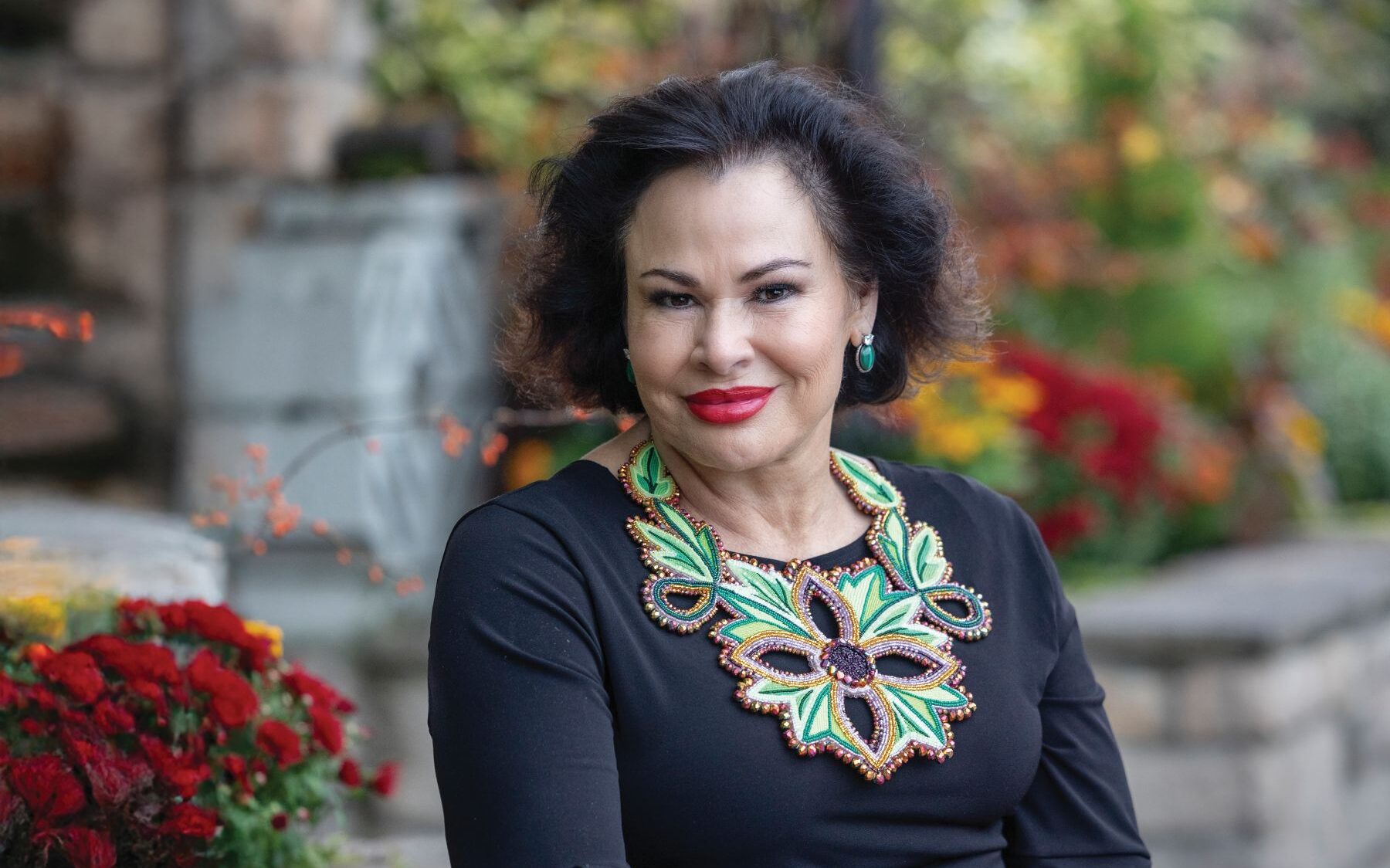
Every place has its own stories. In Michigan, many of them are tied to the land and to the Native communities that have lived here
for generations.
For author Angeline Boulley, those connections are not just background. They shape everything she writes. Long before she became an international bestselling author, her sense of identity and belonging was formed by the Upper Peninsula and her roots in the Sault Ste. Marie Tribe of Chippewa Indians.
The Long Road to the Page
For Boulley, storytelling has always been tied to where she comes from. The idea for her first novel, “Firekeeper’s Daughter” first came to her when she was 18. It grew out of the people, places, and questions she carried with her from the Upper Peninsula and her family history.
That story stayed with her for decades.
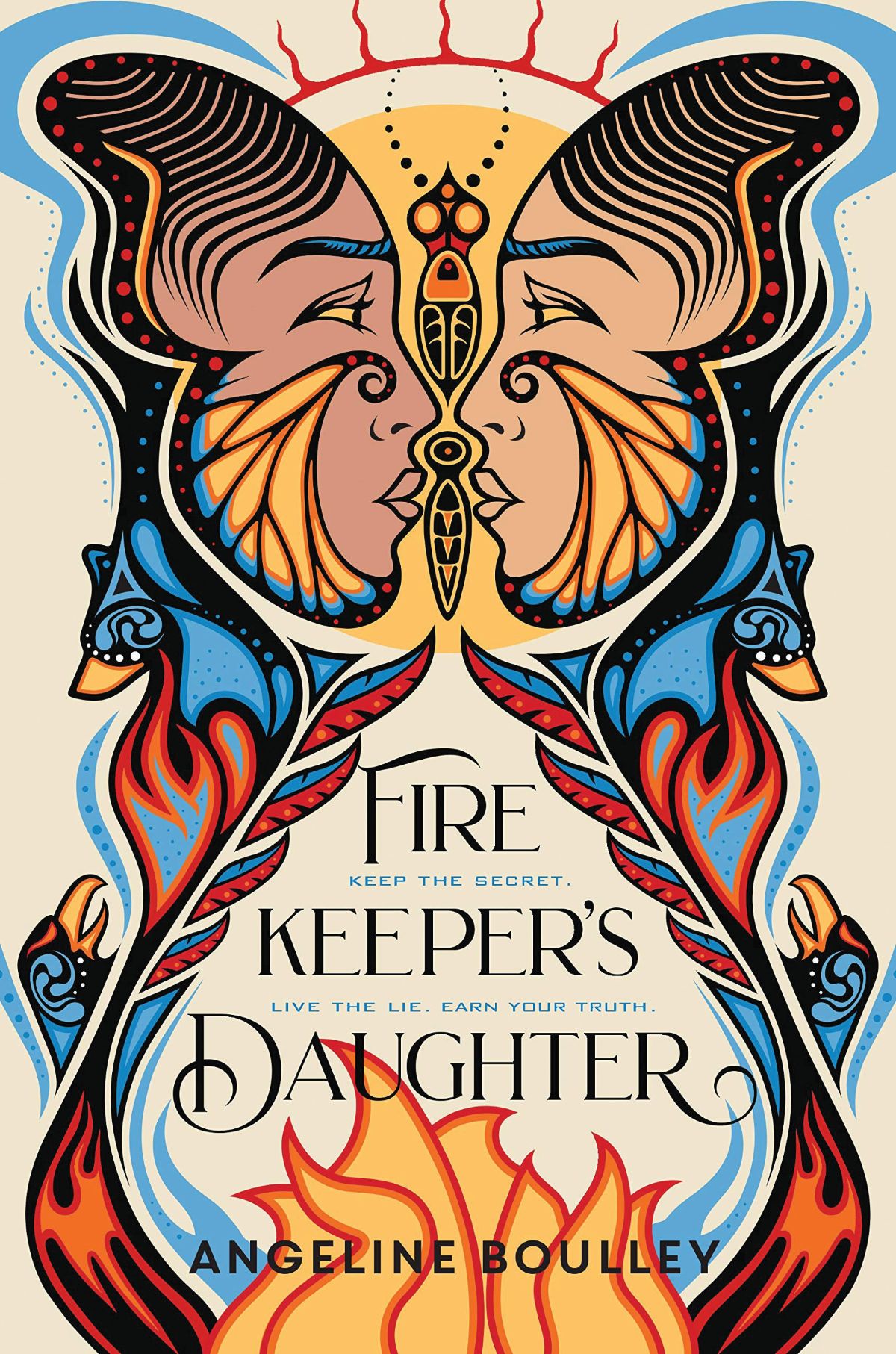
It was not until her 40s, after years of working in Indian education, including serving as Director of the Office of Indian Education at the U.S. Department of Education, that she finally put it on the page. When “Firekeeper’s Daughter” was published, it quickly found an audience. The book became a breakout young adult hit and introduced readers to a Native teenage protagonist whose strength comes from loyalty, determination, and community.
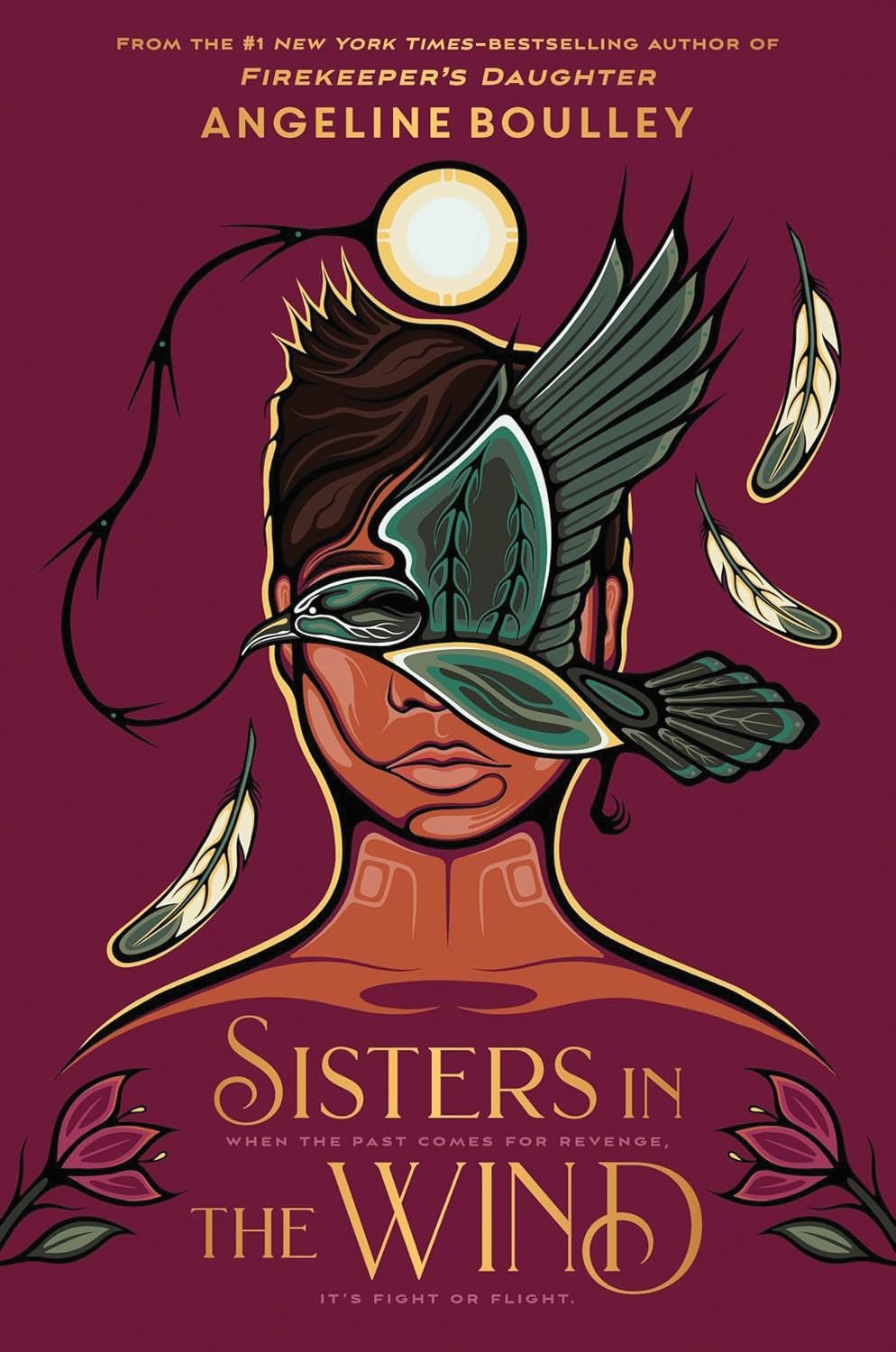
Boulley followed with “Warrior Girl Unearthed” and her most recent novel, “Sisters of the Wind.” Across her books, she blends mystery, family, and history, all set in the forests, shorelines, and small towns of Michigan’s Upper Peninsula. Her stories are set in the present and reflect the lives of Native people today.
“We (Native communities) have rich histories, but we also live in the world as it is now,” Boulley said. “What better way to bring attention to our stories and issues than through a story where you care deeply about the characters?”
Writing Native Girls as Heroes
For many years, Native characters were rarely seen in children’s and young adult books. A 2018 study from the University of Wisconsin–Madison’s Cooperative Children’s Book Center found that only 1% of books for young readers featured Native characters.
That gap is something Boulley writes directly against.
Her main characters are Native girls who are curious, determined, and imperfect. They make mistakes. They learn. They move between Indigenous and non-Indigenous worlds while managing family, school, and expectations that don’t always align.
“I want Native girls to see themselves as the hero of the story,” Boulley said. “Native people are still here, living full lives.”
She often hears from readers who see themselves in her characters for the first time.
“A lot of people feel like they are not enough of something,” she said. “When readers tell me they finally feel seen, that means everything to me.”
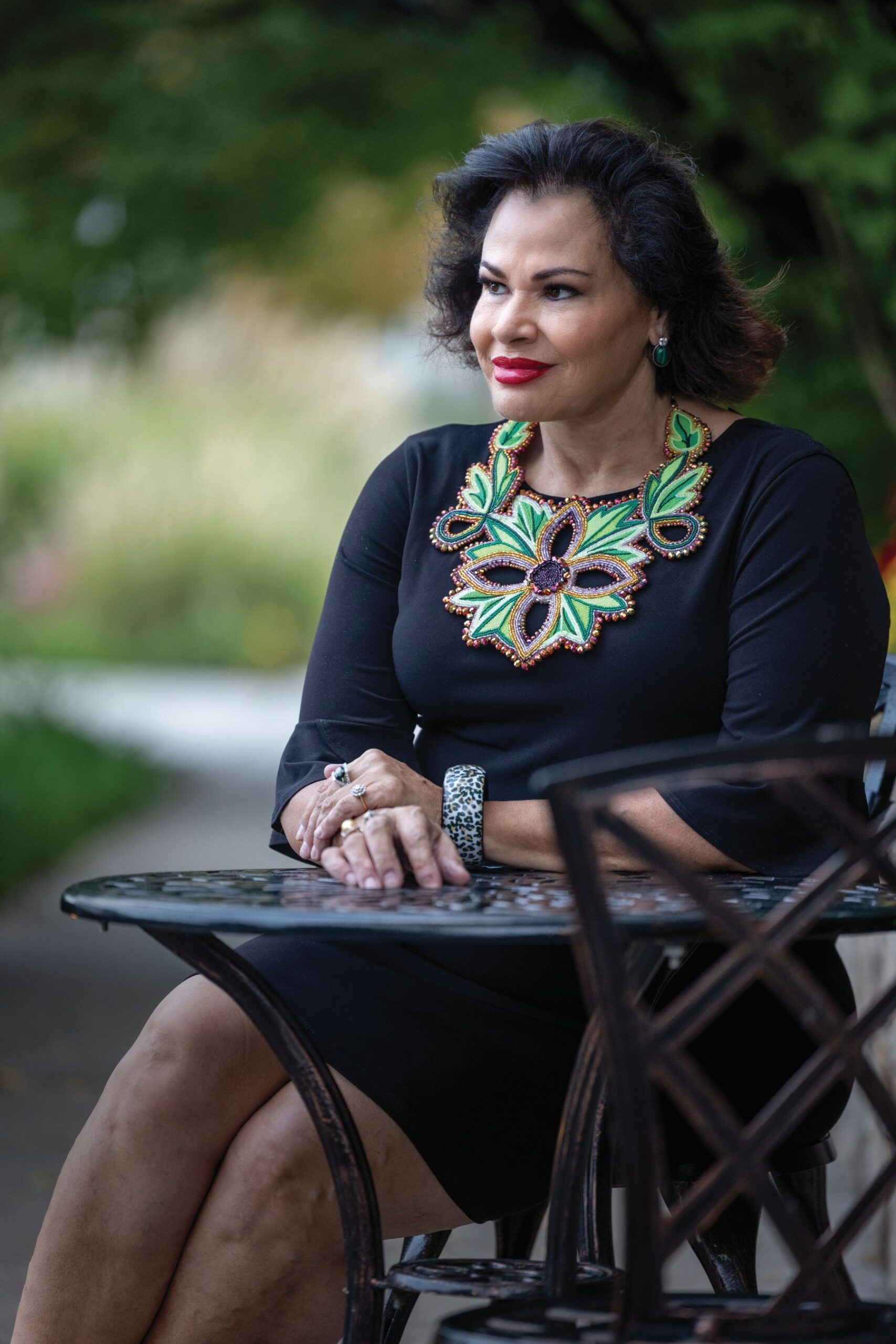
Michigan as a Character
Although Boulley’s books are read around the world, they remain firmly set in Michigan’s Upper Peninsula. “Firekeeper’s Daughter” was named one of Time magazine’s top 100 young adult novels of all time, but its setting is close to home.
“I have a real connection to Sault Ste. Marie and Sugar Island,” Boulley said. “Memories of visiting my grandparents, going into local stores that seemed to never change. Those places ground me. And my characters.”
Michigan readers often tell her they feel proud seeing familiar places reflected in her books.
By writing Native stories grounded in real Michigan communities, Boulley pushes back against the idea that Native heritage belongs only in the past. Her characters are not symbols or artifacts. They are present-day Native girls navigating family, school, and identity in places that still exist and still matter.
Her books remind readers that Native stories are not outside Michigan’s story. They are part of it, and they always have been.