To really understand the whole picture, we have to go back a billion years to the Mesoproterozoic Era. This period of forming and shifting of Earth’s continents is when a midcontinent rift formed. Volcanic activity left behind nearly pure copper lava, producing the only strata on Earth with large-scale recoverable native copper at 97%.
For over 7,000 years, Lake Superior Indigenous people and their ancestors mined and traded this copper, using it to make tools, beads, and ornaments. As European settlers arrived, the Ojibwa shared their knowledge of copper resources and by the 1840s, “copper fever” had struck.
In 1842, the U.S. gained title to the Keweenaw Peninsula and opened it to commercial mining, which continued to dominate the economy until the 1960s. Industrialization attracted a huge influx of immigrants from Finland, Cornwall, and other regions, creating a unique cultural identity and helping shape the area’s diverse population. This can be seen today in bilingual street signs, architecture, museums, and foods like the famous pasty.
Rising production costs, violent miner strikes, and the Great Depression brought job loss and population decline and ultimately led to the fall of the mining industry. Without the mines, the economy began to collapse. Many towns vanished, leaving behind ghost towns, industrial relics, and remnants of a bygone era.
Today, the Keweenaw National Historical Park preserves 20 heritage sites that offer tours into the past—showcasing the impact the mining downturn left on the communities and landscape for generations. Some of these sites include:
- Once one of the nation’s largest copper producers, the village of Calumet gives a first-hand glimpse of what life was like in a mining town during the 19th century. Landmarks include Calumet Visitor Center, Coppertown Mining Museum, and Calumet Theater.
- Quincy Mine, nicknamed “Old Reliable” for being one of the largest copper producers in the UP, is open year-round for tours. Free self-guided tours are available above ground, while the full tour takes visitors on a cog-rail tram to descend 360 feet below ground and walk through the massive hoist house.
- From mid-May to October, Delaware Mine offers self-guided underground tours to explore at your own pace. Walk 110 feet below ground to Shaft No. 1. See copper veins on the walls, ruins of stone buildings, antique engines, and mining equipment.
The “Gateway to the Keweenaw” begins in Houghton, the largest city in Copper Country. Directly across the Portage Canal sits the rolling hills and red brick cityscape of Hancock. Connecting the two cities is the Portage Lake Lift Bridge, the world’s heaviest and widest double-decked, vertical-lift bridge.
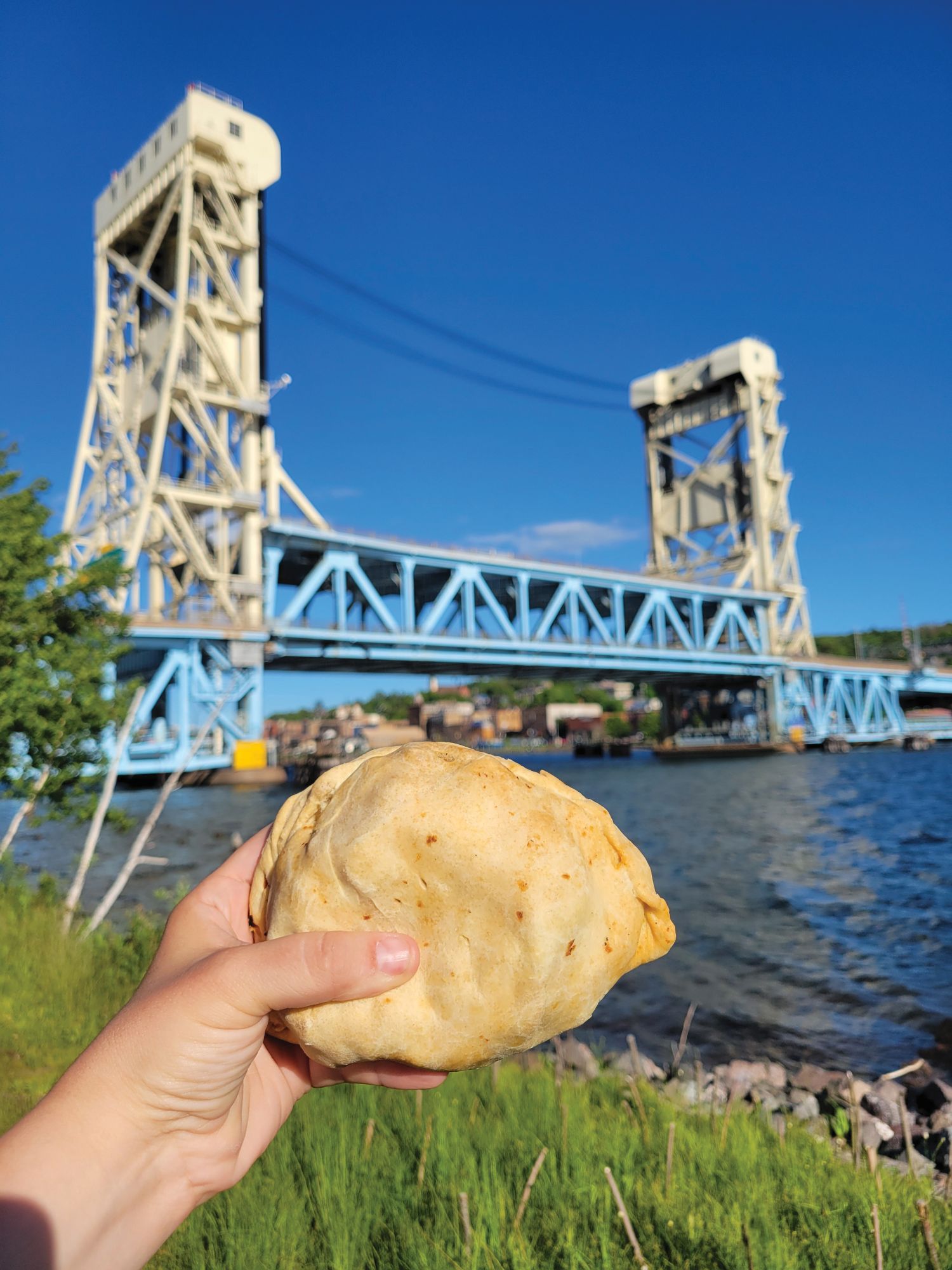
The 25-mile partially man-made Keweenaw Waterway bisects the Keweenaw Peninsula. It serves as a vital transport route, also offering cruises and boat tours. Everything to the north is known as Copper Island, because it’s technically surrounded completely by water.
The drive from Houghton to Copper Harbor, the very northern point of the peninsula, is a little less than 50 miles. The mountainous, rugged drive makes for an easy day trip. You’ll traverse Brockway Mountain, Keweenaw’s best-known summit, which towers 735 feet above the lake below.
Take a pilgrimage to the Jampot in Eagle Harbor, a bakery, candy, and coffee shop run by Catholic Byzantine monks. These men of peace have been serving up savory heavenly treats, jams, and jellies since 1983.
Copper Harbor is a harmonious blend of old America sprinkled with parks, beaches, waterfalls, shipwrecks, and lighthouses. It’s a popular destination for hiking, mountain biking, and camping.
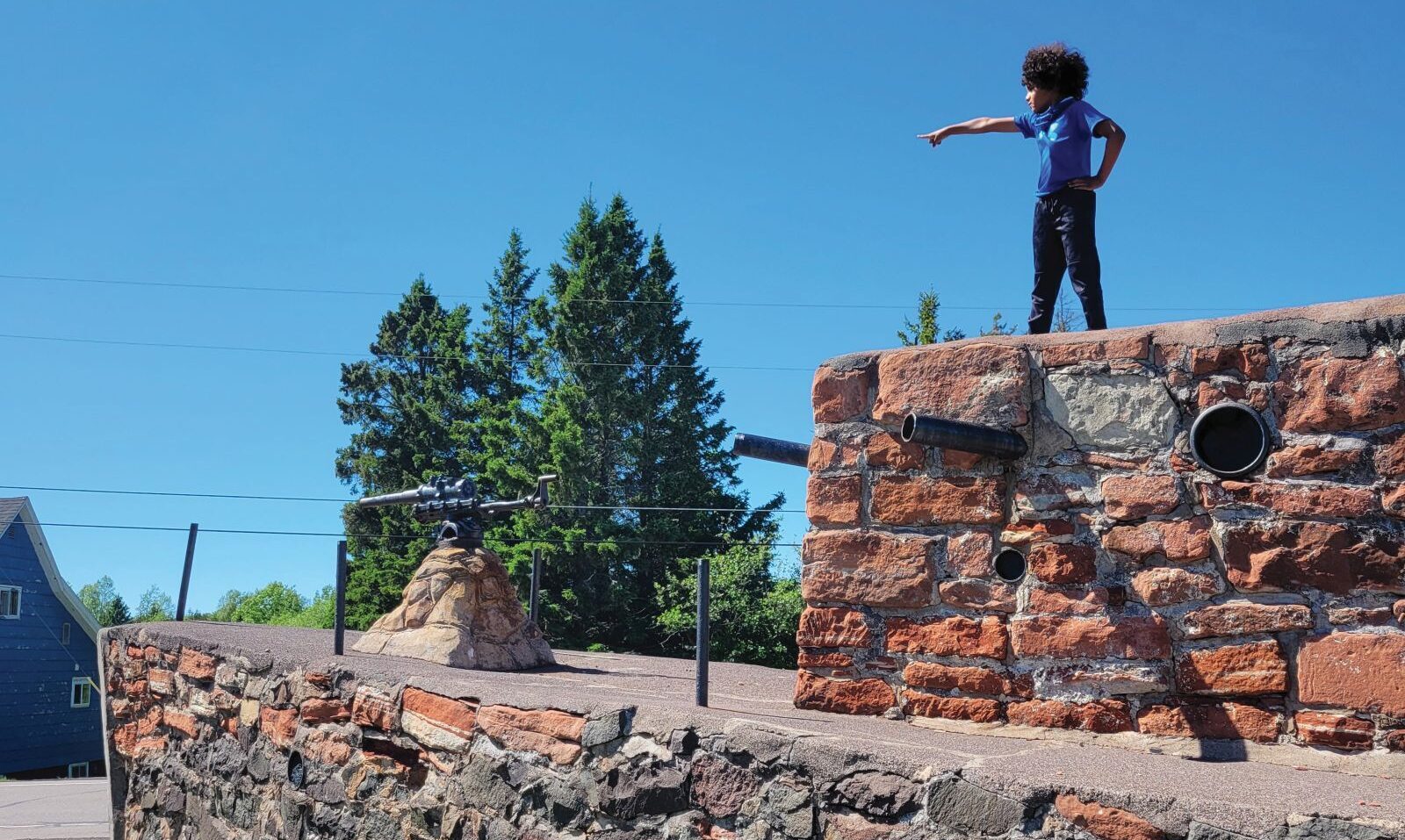
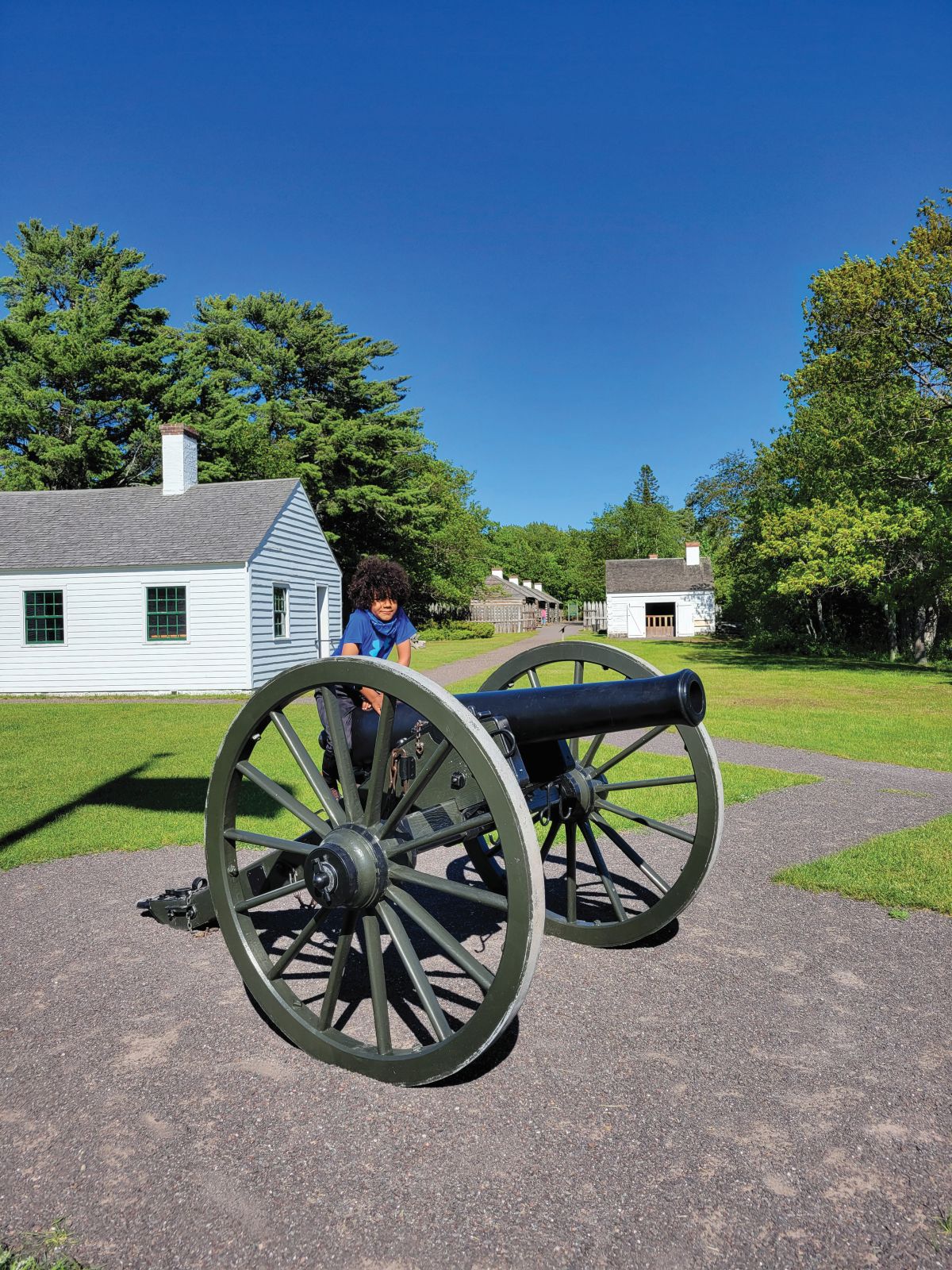
It’s also home to Fort Wilkins State Park, an 1844-era frontier fort with 11 original buildings to tour. Established to keep peace and manage civil unrest during the early copper rush, the fort remained open for only three years, as the harsh winters proved to be nearly unbearable for soldiers to survive. By 1870, the Army had permanently abandoned the facility.
A wildly majestic place that seems to magically transport visitors back in time, the Keweenaw Peninsula offers natural beauty as far as the eye can see and an even greater treasure just beneath the surface. Shaped by Indigenous influence, European exploration, and a century-long mining boom, it remains one of Michigan’s richest regions in both history and landscape.